marketing website templates
Seven landing page templates for products that have something to sell and a number to move.
Trusted by Founders and Entrepreneurs from all over the world








The seven marketing templates
Single page launches like Foxtrot, Playful and Cryptgen sit alongside broader multi-page builds like Agenforce, Proactiv, Schedule and the Startup Landing Page template. All of them include pricing and testimonial sections along with a closing call to action.
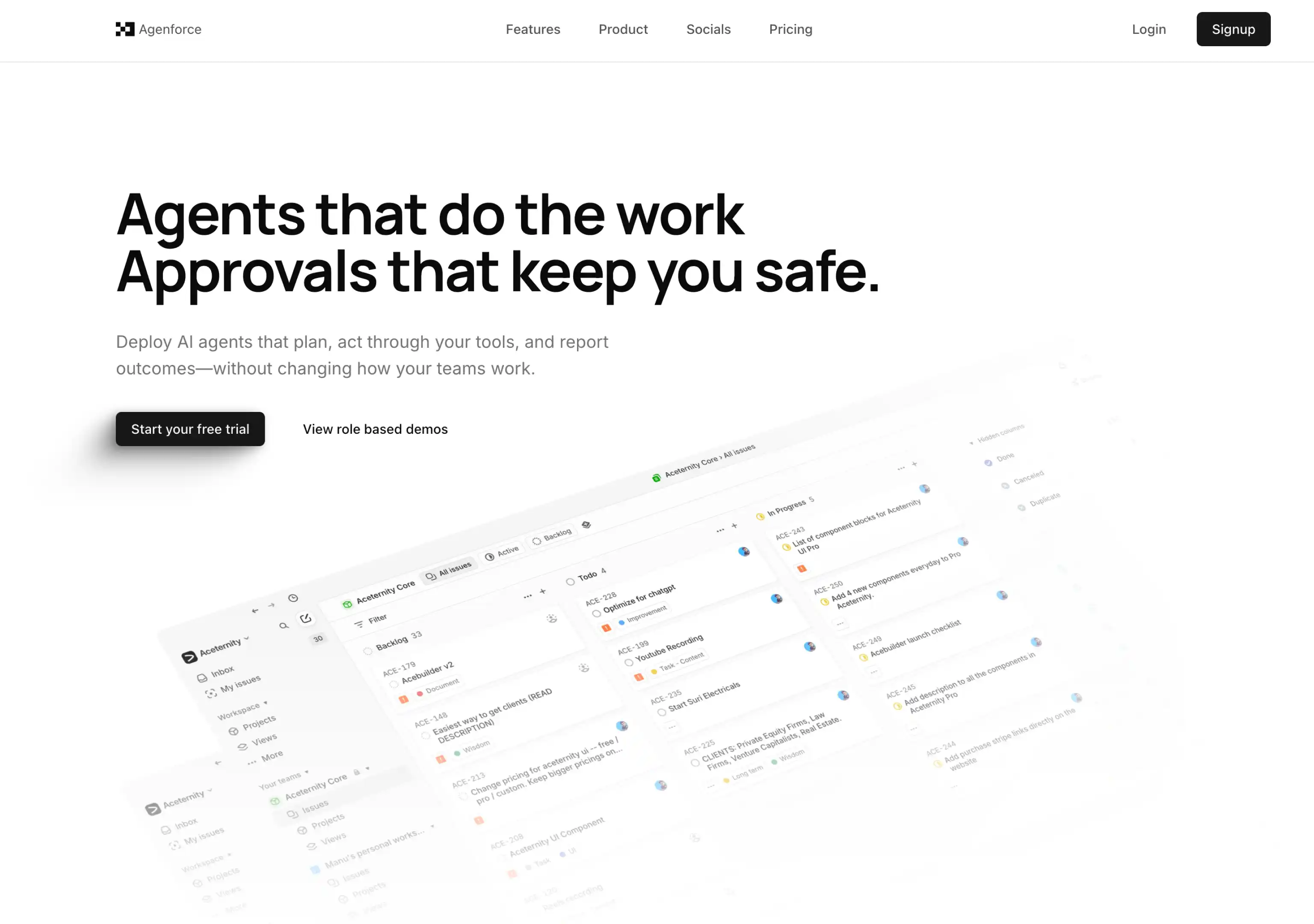
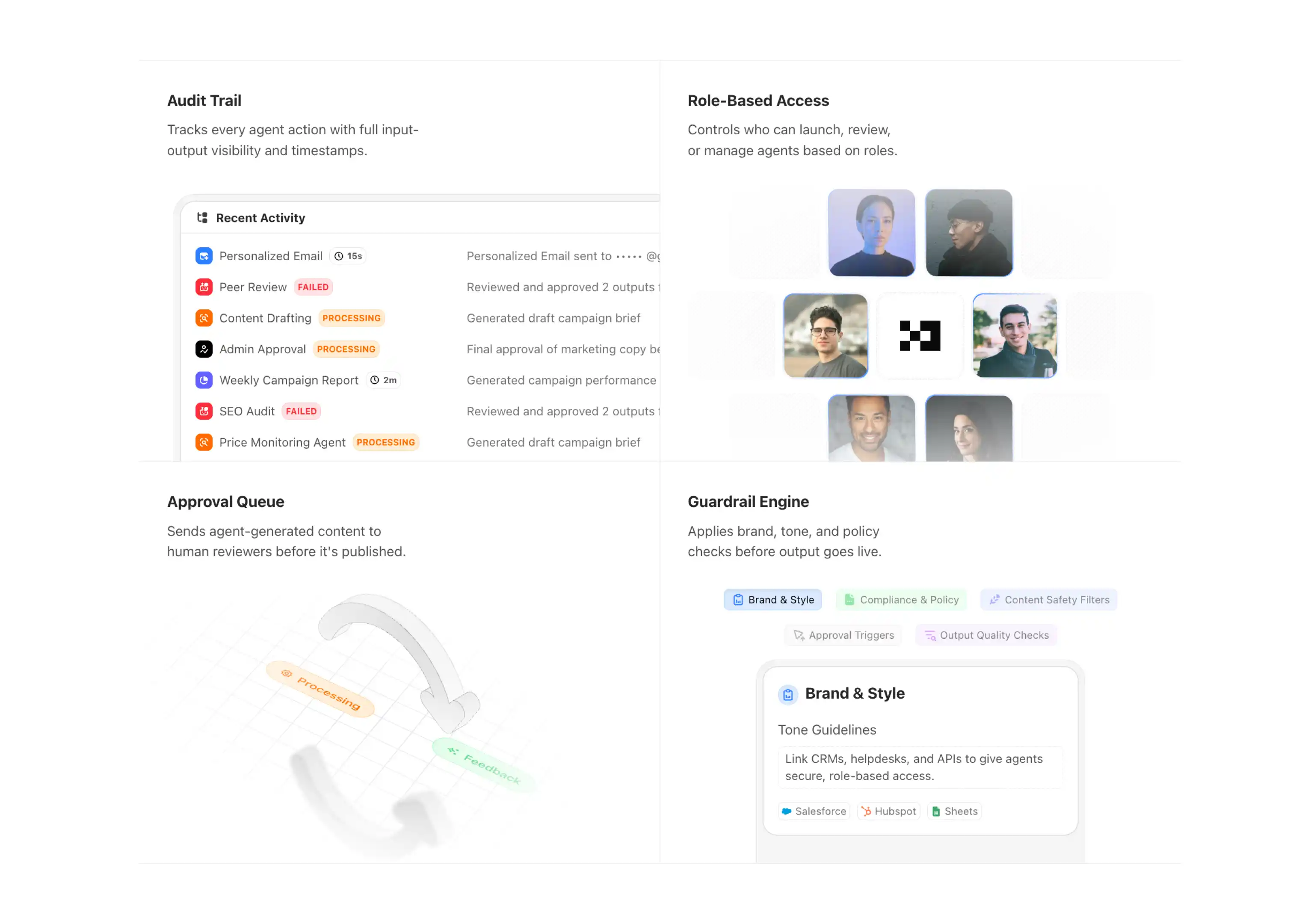
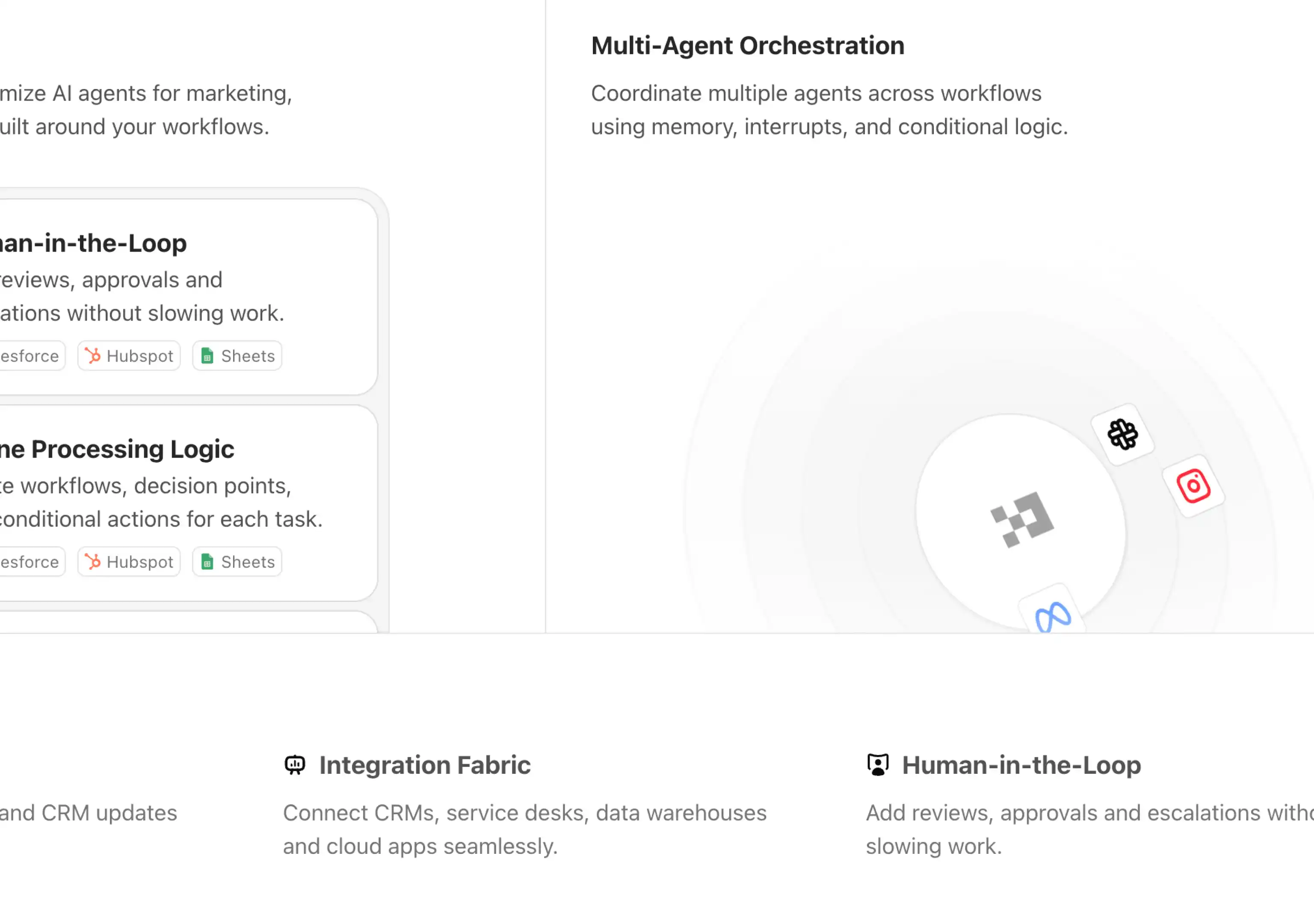
Agenforce Marketing Template
A marketing template designed for various use cases, including AI Agents, Agency, Chatbots and SaaS. Includes delightful micro-interactions and animations.
Startup Landing Page Template
A simple, clean, modern and minimalistic landing page template for startups. Filled with microinteractions to keep your users engaged.


Cryptgen Marketing Template
A single page, modern and responsive template with a bento grid, testimonials, features, and a call to action.
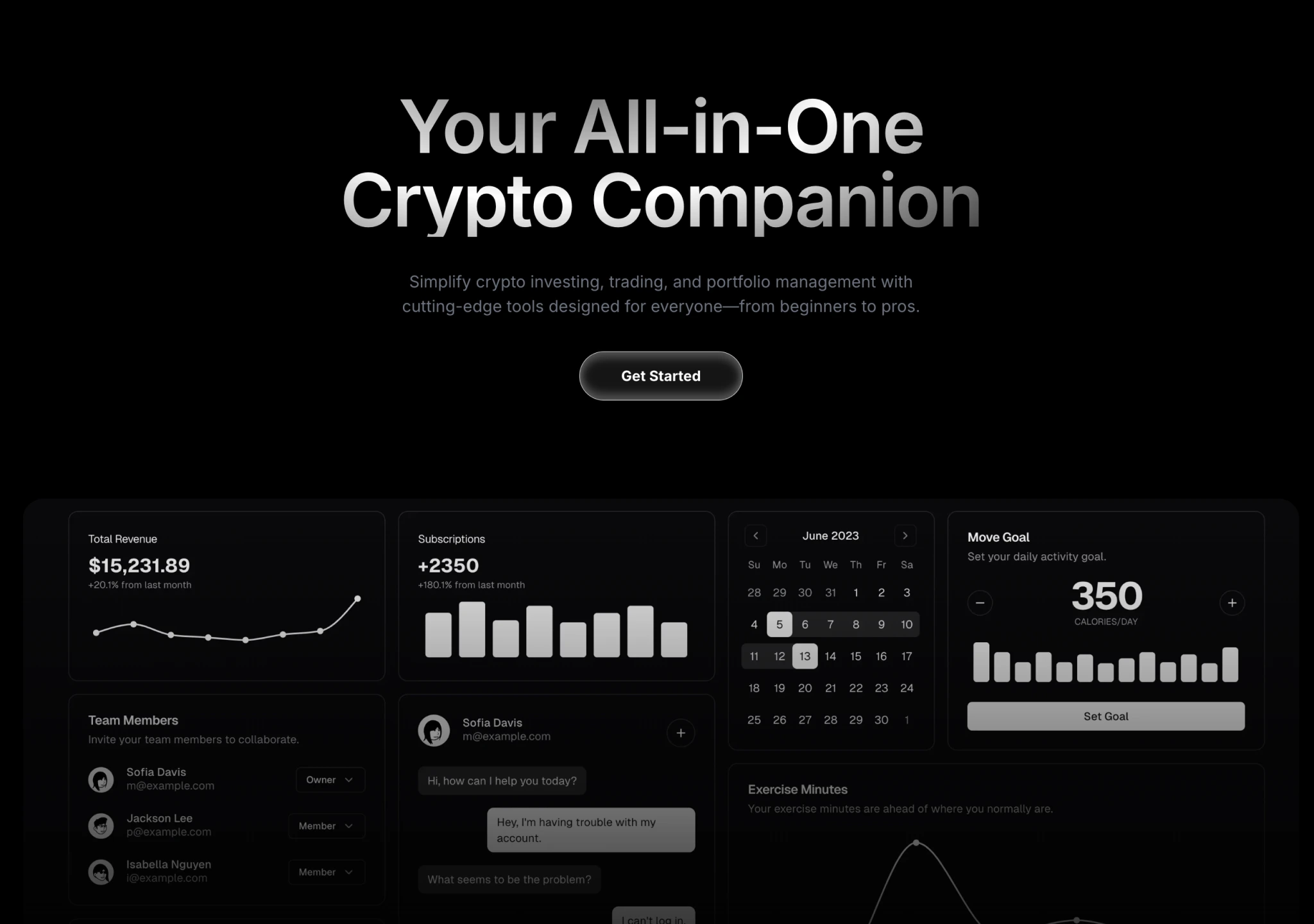


Playful Marketing Template
A simple, elegant and playful marketing template with minimal colors and creative microinteractions.
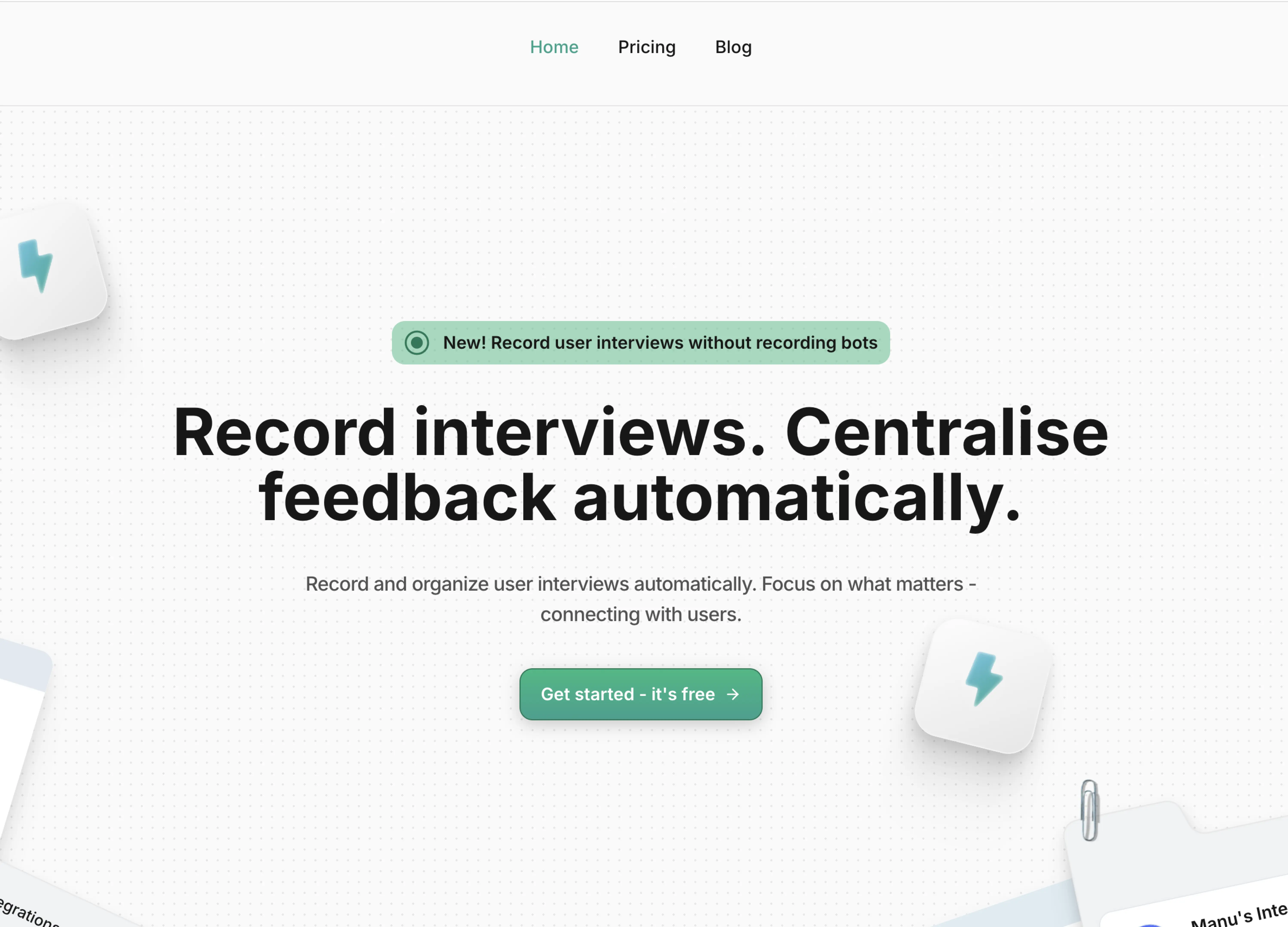
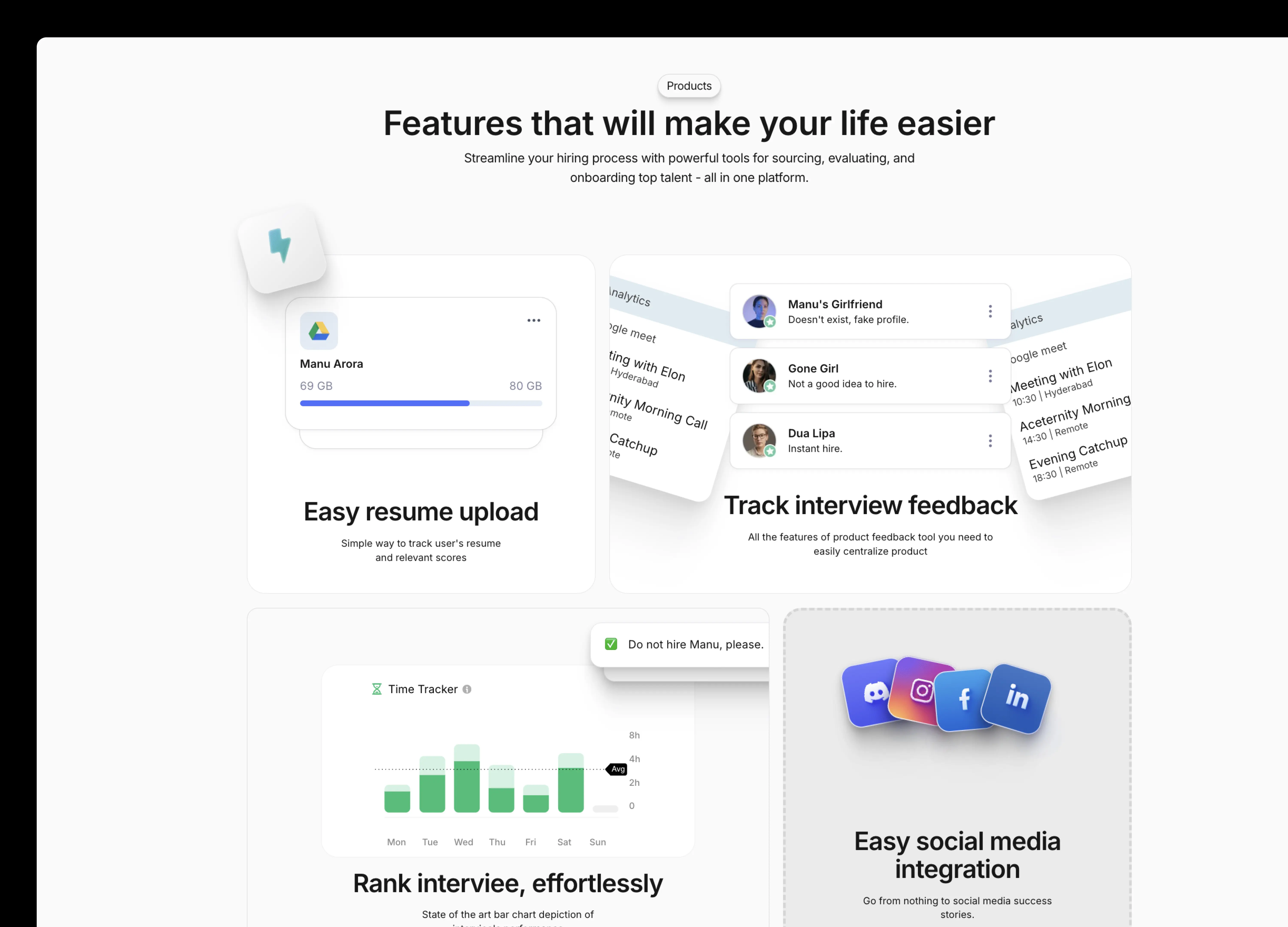
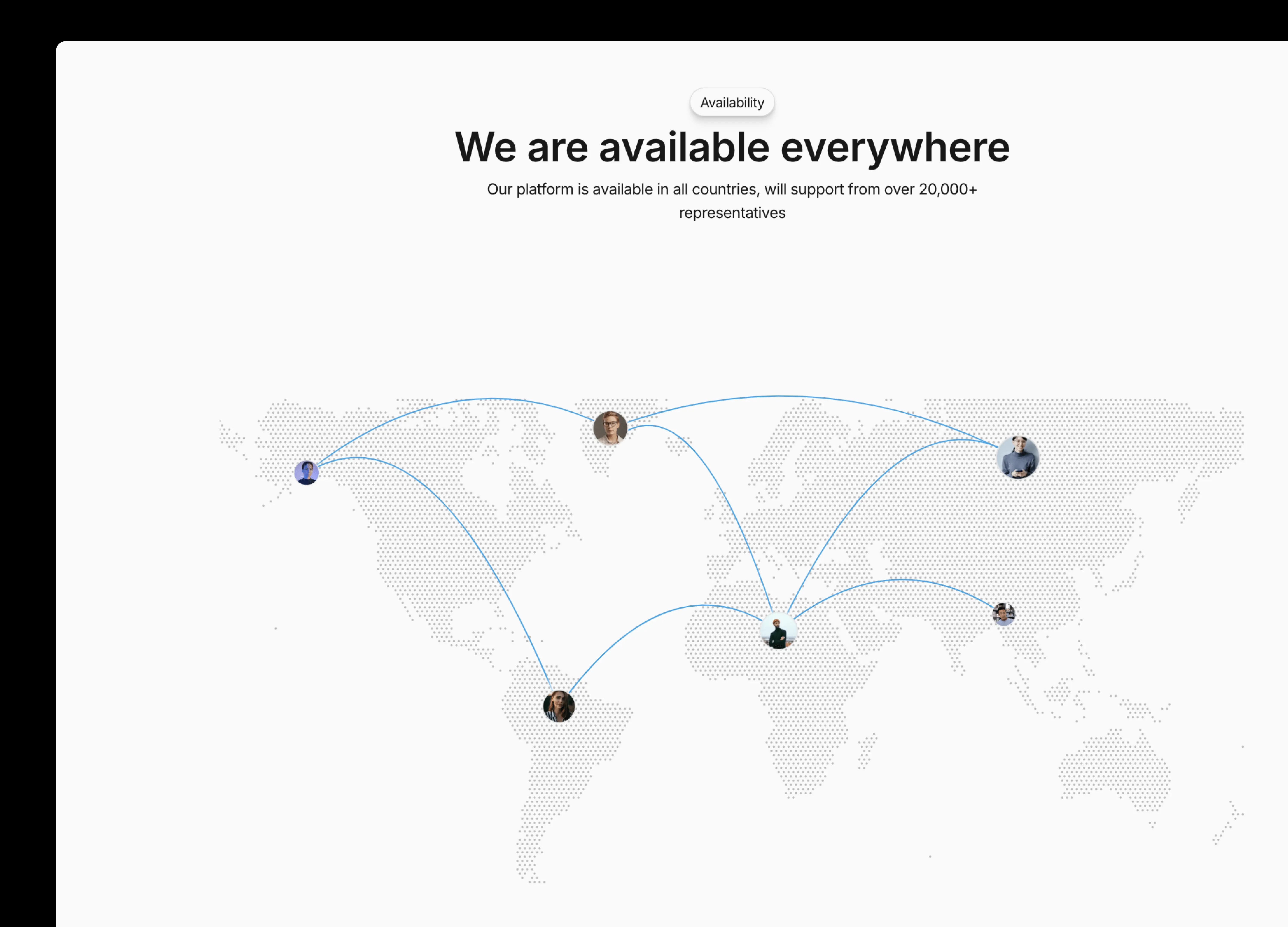
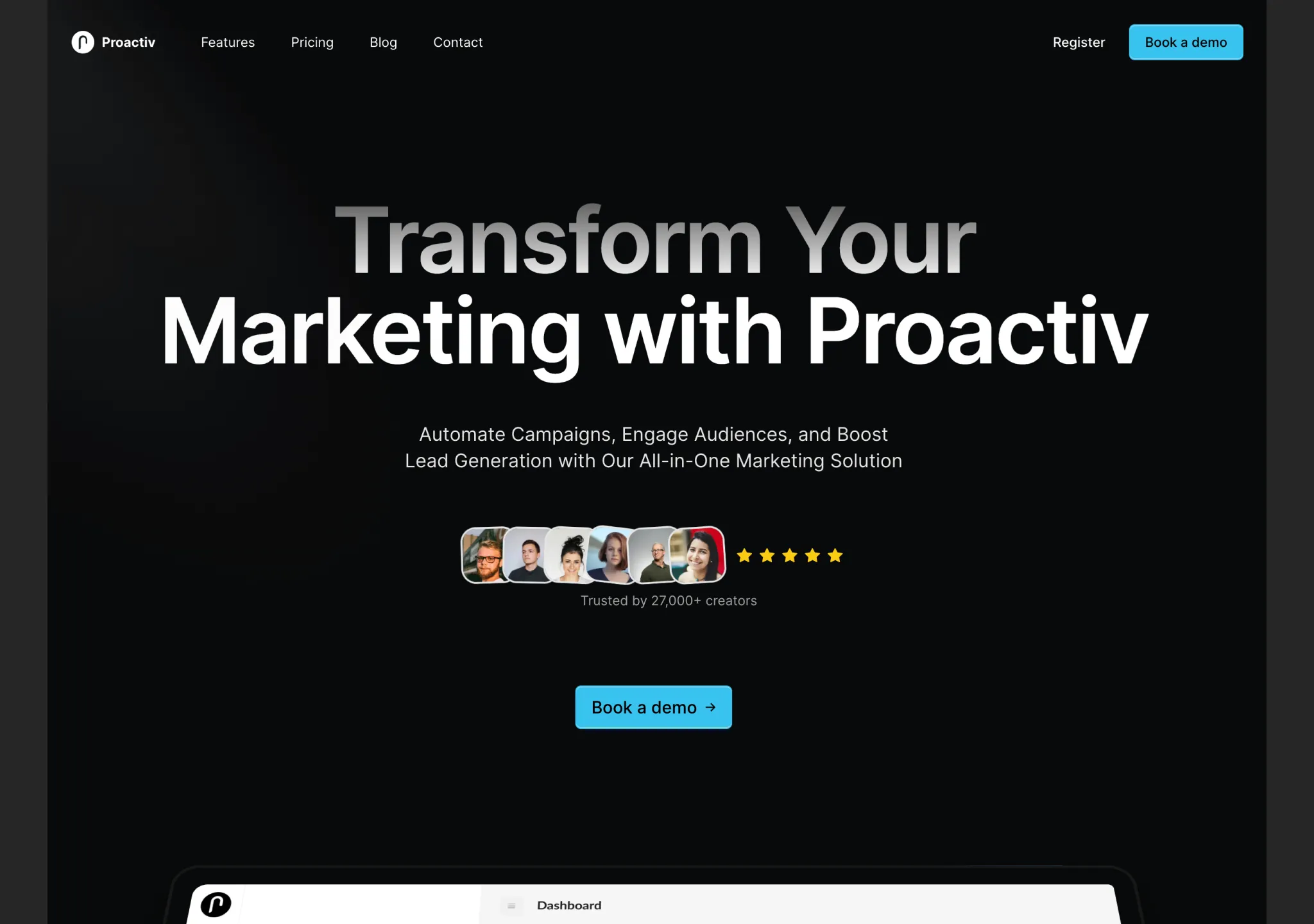
Proactiv Marketing Template
Proactiv is a marketing template designed for SaaS companies focusing on marketing tools for social media.


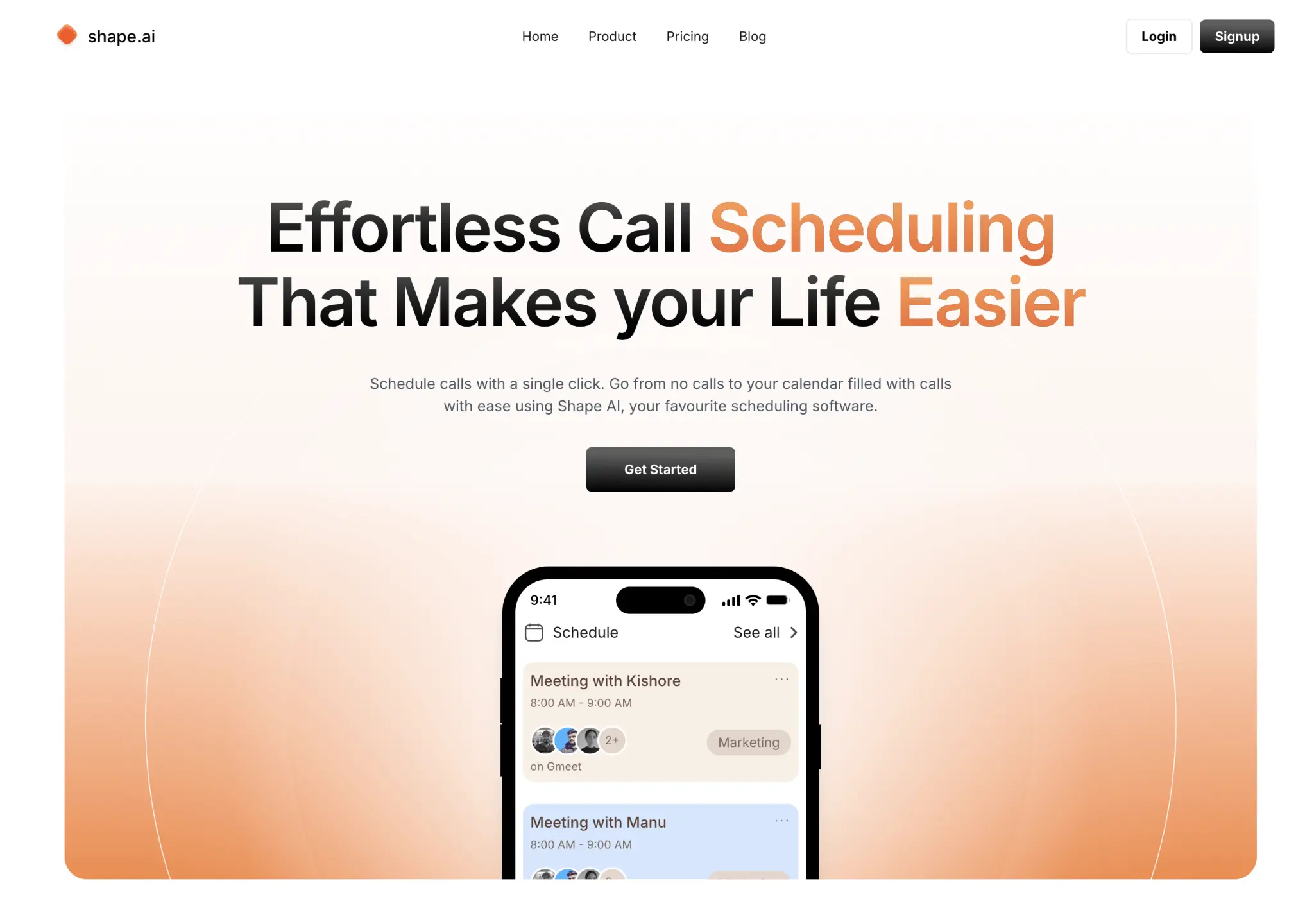
Schedule Marketing Template
Elegant marketing template for scheduling and booking appointments. Bento grids, modern design and responsive.




Building a marketing page that converts
The first screen carries most of the weight. You need a headline that names the job the product does, a subheading that says who it is for, one button, and nothing else fighting that button for attention. Not two competing calls to action of equal visual weight. If you genuinely have two audiences, make one link secondary and quiet. The most common mistake in this collection of patterns is a hero with four calls to action, at which point the visitor picks none of them and scrolls, and scrolling is not the outcome you wanted.
Social proof works when it arrives at the moment of doubt, which is usually just after the pricing and just after the first big claim. Dropping a logo wall directly under the hero is the default and it is mostly wasted, because nobody has formed an objection yet. Testimonials with a name, a role and a specific outcome outperform anonymous praise by a wide margin. If the testimonial could have been written about any product, cut it. Schedule and Proactiv both place their testimonial sections after the feature explanation for this reason, and it is worth keeping that order when you edit them.
Length is not the enemy. Short pages win for products people already understand and lose for anything that needs teaching. A page selling an AI agent platform to a technical buyer can run long, as long as each section answers one objection and stops. Write your objections down first, then build sections against them, rather than writing sections and hoping the objections were covered.
Then measure. Put an analytics event on every call to action, watch where people stop scrolling, and change one thing at a time. Opinions about headlines are cheap and usually wrong, including mine. A page that changed its hero copy and saw signups move is data. A page that got redesigned wholesale and saw signups move tells you nothing about which change did it.
Frequently asked questions
What sections does a marketing website need?
At minimum a hero with one primary action, an explanation of how the product works, proof from real customers, pricing, and a closing call to action. Add an FAQ section if support keeps answering the same four questions, since that is cheaper than a sales call.
Which marketing template should I pick for a SaaS launch?
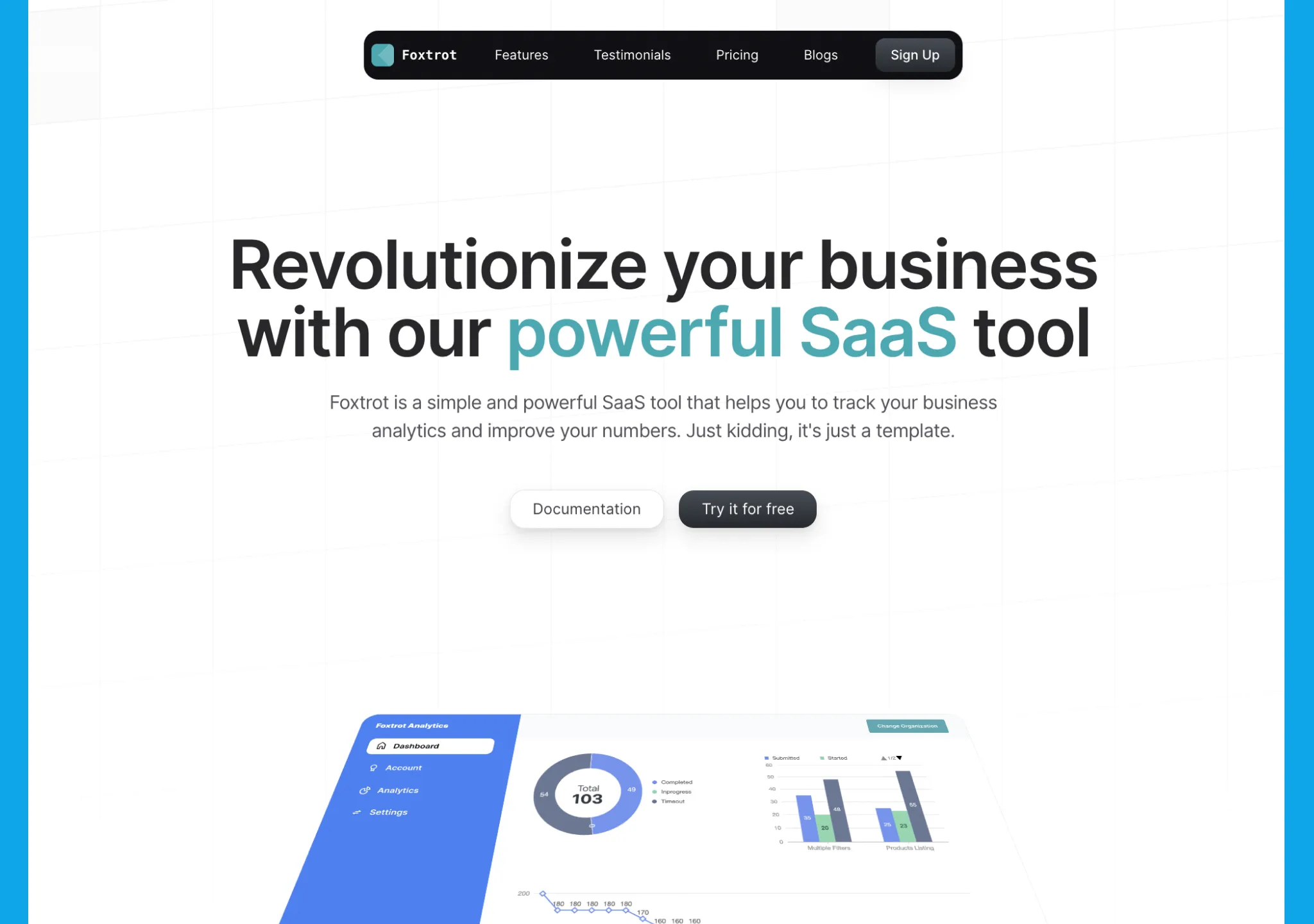
Foxtrot and Proactiv are both aimed at SaaS, with Foxtrot being a single page you can ship in an afternoon and Proactiv having more room for feature detail. Schedule is the better fit if your product involves booking or calendars, since its sections are already written around that flow.
Are these marketing templates good for SEO?
They are Next.js projects that render on the server, use semantic headings and keep animation to transform and opacity, so the technical baseline is fine. Ranking still comes down to your content and links, which no template can supply.
Can I use a marketing template for a crypto or Web3 product?
Cryptgen is built for that, with a bento grid layout and a darker treatment that suits token and protocol pages. You will still need to add your own disclosure and risk copy, which is not included.
Keep exploring
- best AI SaaS templatesSix templates for products where a model does the work and the interface has to explain it.
- portfolio website templatesFour portfolio templates aimed at people whose work needs explaining, not just displaying.
- React pricing section componentsSix pricing layouts covering a minimal three-tier table, a four-tier grid with an animated billing toggle, add-on rows, and a separate enterprise card.
- React CTA section componentsSix call to action blocks, from a quiet centered band to a dark high-contrast panel with a noise texture and masonry product shots.
Loved by thousands of developers, designers and entrepreneurs
Here's what some of our users have to say about Aceternity UI.

amazing to see @calcom find its way into proper templates 🥳 excited to be powering the next thousands of startups and their demo calls!


Stumbled upon ui.aceternity.com today and my mind is blown 🤯 The seamless integration of framer-motion, tailwind CSS, and shadcn showcases a masterclass in UI design. 🚀 Kudos to @mannupaaji for creating such an innovative and inspirational resource for devs! #UI #nextjs

Have you heard of Aceternity UI? It's packed with various animated components that are ready to copy and paste! Mind-blowing stuff... 🤯 Click here ➡️ ui.aceternity.com #framermotion #nextjs #tailwindcss #techinnovation

ui.aceternity.com So well done. And its bloody free 🤯🤯 Phenomenal work by @mannupaaji


So happy to see @mannupaaji work being recognised 🥹🤌🏻♥️ His work is literally a treasure trove for devs 💎


Aceternity UI has some of the best components for designing landing pages I've ever seen. If you're struggling with figuring out what animations to use. Check it out. Thank me later 😉. ui.aceternity.com


Featured by popular YouTubers
See what the best YouTubers are saying about Aceternity UI.